
"Hawaiian wild coffee"
200 article(s) found

The types of coffee beans, taste and flavor production areas introduce how many kinds of coffee beans there are.
Colombia-Columbia (highest quality): the second largest producer in the world. Coffee beans are light green, large granules, with heavy flavor, whether single drink or mixed are very suitable. Characteristics: incense-strong, sweet-medium, acid-medium, alcohol-strong, bitter-weak. Carbon roasted coffee, also known as bitter coffee, means that the fire source of roasted coffee is carbon fire, and sometimes special wood is used.

What is blended coffee? The origin of mixed coffee is introduced in detail.
Editor's mixed coffee is a general term for the classification of coffee, it is not a specific kind of coffee, but formed in history. About 700 years ago, coffee, known as a magic drink, along with Italy's long water city culture, was brought to other countries in Europe and the United States: Canada, Switzerland, France, the United States and so on. The first way to drink coffee is to extract coffee.

What are the basics of coffee?
Coffee is a drink that gives the public the impression of being black, bitter, sleepless, and excited. The coffee beans we see in coffee shops are dark brown and belong to roasted coffee beans, while the color of coffee liquid is amber. Coffee comes from coffee beans, which in turn are harvested and processed from the fruits of trees. Distribution of coffee: coffee trees

Comprehensive knowledge of boutique coffee
Coffee distribution: coffee trees grow in the tropical or subtropical regions of the tropical or subtropical regions with the equator as the center and between the latitudes of 25 degrees south and north. At present, coffee is produced in more than 60 countries, widely distributed in South America, Central America, the West Indies, Asia, Africa, Arabia, the South Pacific and Oceania. In terms of output, Brazil, which accounts for the largest output in the world, is about

Coffee making Italian espresso
The word Italian espresso Espresso comes from Italian fast, because Italian espresso is made and delivered to consumers very quickly. Espresso drips slowly from the filter like warm honey, dark reddish brown with a cream content of 10% to 30%. The brewing of espresso can be defined by four M's: Macinazione stands for a correct
A complete Collection of Coffee making
The word Italian espresso Espresso comes from Italian fast, because Italian espresso is made and delivered to consumers very quickly. Espresso drips slowly from the filter like warm honey, dark reddish brown with a cream content of 10% to 30%. The brewing of espresso can be defined by four M's: Macinazione stands for a correct
Coffee common sense coffee shop espresso production collection
The word Italian espresso Espresso comes from Italian fast, because Italian espresso is made and delivered to consumers very quickly. Espresso drips slowly from the filter like warm honey, dark reddish brown with a cream content of 10% to 30%. The brewing of espresso can be defined by four M's: Macinazione stands for a correct

The basic Coffee production Collection of Cafe experience
The word Italian espresso Espresso comes from Italian fast, because Italian espresso is made and delivered to consumers very quickly. Espresso drips slowly from the filter like warm honey, dark reddish brown with a cream content of 10% to 30%. The brewing of espresso can be defined by four M's: Macinazione stands for a correct
The main producing areas of coffee in the world
The main producing areas of coffee in all countries of the world:

The distribution of coffee trees all over the world
In addition to location, there are many other factors that affect the quality of coffee: planting methods, soil fertility, weather, especially rainfall and light, and exact latitude. The above factors combined with the treatment of raw coffee beans have created the diversity of coffee from different countries and regions in the world. The comprehensive factors are very complicated, and often appear in the same plantation.
Seven of the best coffee
If you want the best coffee beans in the world, everyone has their own unique opinion. Still, stick to expert advice and you'll usually find that six names are always better than others. What on earth makes coffee the best in the world? Well, the first thing to note is that there is not always a direct correlation between price and quality. Although some of the most expensive coffees on the market
Coffee producing areas Coffee producing areas in the world
1 South America [Colombia] is the world's second largest coffee producer, accounting for about 12% of the world's annual production, although far less than the first Brazil's 30% to 35%, but most of them are high-quality alpine washed beans. Central Colombia is divided into several valleys by three north-south vertical mountains, of which the central and eastern mountains are the main coffee producing areas. Coffee here.

The main producing areas of coffee in the world
1 South America [Colombia (Colombia)] is the second largest coffee producer in the world, accounting for about 12% of the world's annual output, which is much lower than that of Brazil, but most of them are high-quality mountain-washed beans. Central Colombia is divided into valleys by three north-south longitudinal mountains, of which the central and eastern mountains are the main coffee producing areas. Coffee here

Coffee in the world's major coffee producing areas common knowledge
1 South America [Colombia] is the world's second largest coffee producer, accounting for about 12% of the world's annual production, although far less than the first Brazil's 30% to 35%, but most of them are high-quality alpine washed beans. Central Colombia is divided into several valleys by three north-south vertical mountains, of which the central and eastern mountains are the main coffee producing areas. Coffee here.
The origin of coffee
The world's first coffee tree was found in the Horn of Africa. Local indigenous tribes often grind the fruit of coffee and knead it with animal fat to make many ball-shaped balls. These indigenous tribes use these coffee balls as precious food for soldiers who are about to go out to battle.
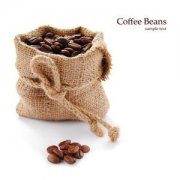
Analysis of producing countries of High-quality Coffee beans in Coffee Bean producing countries
1 South America [Colombia (Colombia)] is the second largest coffee producer in the world, accounting for about 12% of the world's annual output, which is much lower than that of Brazil, but most of them are high-quality mountain-washed beans. Central Colombia is divided into valleys by three north-south longitudinal mountains, of which the central and eastern mountains are the main coffee producing areas. Coffee here

The basic knowledge of coffee in the main producing areas of coffee all over the world
1 South America [Colombia (Colombia)] is the second largest coffee producer in the world, accounting for about 12% of the world's annual output, which is much lower than that of Brazil, but most of them are high-quality mountain-washed beans. Central Colombia is divided into valleys by three north-south longitudinal mountains, of which the central and eastern mountains are the main coffee producing areas. Coffee here

Start a fantastic journey from coffee
Seattle people are famous for drinking coffee. Egypt: there are special Arabic spices in coffee. Arabia is the first region in the world to drink and produce coffee. Caffeine culture is full of nostalgia in Egypt. Even Najib Mahafuz, a Nobel Prize winner and a famous Egyptian writer, has a specific description of Egyptian cafes in many of his novels. The most unique thing is, stir-fry

Coffee knowledge and literacy
1. The discovery of coffee: many people should have heard the story about the discovery of coffee. Once upon a time, a shepherd named Kaldi in the highlands of Ethiopian found his sheep spinning excitedly because they had eaten the red fruit on a shrub by the side of the road. The shepherd felt very strange and ate a few of them, feeling very excited. Then there was a man named Auc.

The origin of coffee boutique coffee basic common sense
The world's first coffee tree was discovered in the Horn of Africa. Local indigenous tribes often grind the fruit of coffee and knead it with animal fat to make many spherical balls. These indigenous tribes treat these coffee balls as precious food for those who are about to go to war. At the time, people didn't understand how coffee eaters behaved